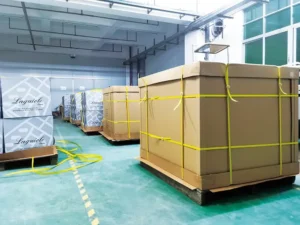
Your dump bin display1 looks great, but it keeps collapsing under the weight of your products. This common problem can damage your merchandise and hurt your brand's image. The right design and materials are crucial for a successful in-store promotion.
The solution is to match the corrugated strength2 to your product's weight and adhere to retailer guidelines3. For lighter items, B or E flute4 is sufficient, while heavier products require stronger BC or double-wall corrugated5 board. This ensures your display remains stable and presentable.

A well-executed dump bin display1 can significantly boost sales, but a poorly designed one can be a disaster. From choosing the wrong materials to ignoring store policies, many common mistakes can undermine your efforts. I've seen brands invest in beautiful displays only to have them fail on the retail floor. Let's explore five of the most common mistakes I've encountered and discuss how you can avoid them to ensure your next promotion is a success.
Using the Wrong Corrugated Strength for Product Weight?
Have you ever seen a dump bin sagging or collapsing in a store? It's a frustrating sight for any brand manager. This often happens when the corrugated material isn't strong enough to support the products inside, leading to display failure and potential safety hazards.
To prevent this, it's essential to select the right corrugated strength2 for your product's weight. For lightweight items under 5kg, such as candy or small toys, E or B flute is a good choice. For medium-weight products between 5-15kg, like snacks and accessories, B or C flute is recommended. For heavy items over 15kg, such as bottled drinks, you'll need the durability of BC or double-wall corrugated5.

Choosing the right material is the first step, but it's also important to understand the specific requirements of different retailers. For example, Walmart has strict stability and safety standards for all in-store displays. A dump bin at Walmart not only needs to hold the product's weight but also withstand a busy retail environment. This is why we often suggest double-wall board for displays in high-traffic stores. Grocery chains like Kroger, on the other hand, prioritize displays that are easy to set up and restock for fast-moving items. For seasonal promotions6, where displays are temporary, you can often use a more cost-effective material. However, even for short-term displays, you must ensure they are sturdy enough to last for the entire promotional period. Below is a table to help you choose the right material for your needs.
Corrugated Material & Load Strength
| Product Weight | Recommended Flute | Use Case |
|---|---|---|
| Light (<5kg) | E / B Flute | Candy, small toys |
| Medium (5–15kg) | B / C Flute | Snacks, accessories |
| Heavy (15kg+) | BC / Double Wall | Bottled goods |
Overloading the Bin Beyond Retail Safety Limits?
It’s tempting to fill your dump bin to the brim, thinking more product means more sales. However, overloading can create a safety hazard and lead to your display being removed from the store. Retailers have strict safety rules to prevent accidents from unstable or collapsing displays.
To avoid this, always respect the weight limits of your display and the retailer's safety guidelines. A good rule of thumb is to keep the display looking full but not overstuffed. This not only ensures safety but also makes it easier for customers to shop from the bin.

Overloading a dump bin is a common mistake that can have serious consequences. A display that is too heavy can become unstable and tip over, posing a risk to both customers and store employees. This is a major concern for retailers like Walmart, where safety is a top priority. Their guidelines often specify maximum weight limits for displays to ensure they are safe for the store environment. In grocery stores, where foot traffic is high, an overloaded bin can also obstruct aisles and create a poor shopping experience. For seasonal promotions6, you might be tempted to cram in as much product as possible to maximize sales. However, a messy, overflowing display can actually deter customers. A well-organized and safely loaded bin is always more effective. The goal is to create a display that is both appealing and safe for everyone in the store.
Dump Bin Cost Range
| Cost Factor | Typical Range |
|---|---|
| Structural Design | Low |
| Die-Cutting Tool | One-time |
| Corrugated Material | Low–Medium |
| Printing | Low (Digital / Flexo) |
| Assembly | Minimal |
Poor Graphic Placement That Shoppers Never See?
You've invested in a fantastic design for your dump bin, but is it visible to shoppers? A common mistake is placing key graphics and messages where they can't be easily seen. This often happens when designs are viewed from the front, but in reality, customers often see them from above.
To fix this, design your graphics with a top-down view in mind. Place your most important branding and messaging on the upper parts of the display where they are most likely to be seen. This ensures your marketing efforts aren't wasted and that your display effectively communicates with shoppers.

When it comes to graphic placement7, context is everything. A design that looks great on a computer screen might not work in a busy retail environment. I've seen many brands make the mistake of placing their logo or key selling points too low on the display, where they get lost in the clutter of the store. This is especially true in grocery stores, where displays are often placed in high-traffic aisles. For seasonal promotions6, eye-catching graphics are crucial for grabbing attention. Think about how your display will look from different angles and distances. In a store like Walmart, your display will be competing with hundreds of others, so it's important to make sure your branding is clear and visible. The most effective dump bins use bold colors and clear messaging to stand out from the crowd. By considering the shopper's perspective, you can create a design that not only looks great but also drives sales.
Ignoring Retailer Footprint and Aisle Rules?
Have you ever had a dump bin rejected by a retailer because it didn't fit their store layout? It's a frustrating experience that can derail your entire promotion. Every retailer has specific rules about the size and placement of in-store displays to ensure a safe and organized shopping environment.
To avoid this, always confirm the retailer's footprint and aisle requirements before you start designing your display. This includes the maximum width, depth, and height of the display. By designing your dump bin to fit within these guidelines, you can ensure it will be accepted by the retailer and placed on the sales floor.

Retailer compliance is a critical part of designing a successful dump bin. Each retailer has its own set of rules, and it's your responsibility to know them. Walmart, for example, is known for its strict guidelines on display dimensions8 and placement. They have specific requirements for pallet displays, including dump bins, to ensure they fit within their store layout and don't obstruct aisles. Grocery chains also have rules about display sizes, especially for endcaps and other high-traffic areas. During seasonal promotions6, when stores are crowded with displays, it's even more important to adhere to these guidelines. A display that is too large or placed in the wrong location can be a safety hazard and will likely be removed. By working with a manufacturer that understands retailer compliance, you can avoid costly mistakes and ensure your display gets the placement it deserves.
Retail Compliance Snapshot
| Retail Channel | Key Dump Bin Rules |
|---|---|
| Walmart | Stability, footprint, safety |
| Grocery | Speed, refilling ease |
| Seasonal | Cost efficiency, visual impact9 |
Designing Dump Bins That Are Hard to Refill or Move?
Have you ever considered how store staff will interact with your dump bin? A display that is difficult to refill or move can create frustration for employees and may not be maintained properly. This can lead to your display looking messy or empty, which can hurt sales.
The solution is to design your dump bin with store operations in mind. Make sure it's easy to restock with new products and that it can be moved if necessary. This will not only make store staff happy but also ensure your display remains well-stocked and visually appealing throughout your promotion.

Operational efficiency is a key factor in the success of any in-store display. A dump bin that is a hassle for store employees is a dump bin that is likely to be neglected. In a fast-paced environment like a grocery store, staff don't have time to struggle with a poorly designed display. They need something that is quick and easy to restock so they can move on to their other tasks. For seasonal promotions6, when stores are particularly busy, an easy-to-refill display is even more important. At Walmart, where efficiency is a priority, displays that are easy to manage are always preferred. I've found that simple design choices can make a big difference. For example, a removable tray or a front-facing opening10 can make restocking much easier. By thinking about the needs of store staff, you can create a display that is not only effective but also a pleasure to work with.
Conclusion
By avoiding these common mistakes, you can create a dump bin display1 that is sturdy, safe, and effective. Remember to always consider the retailer's guidelines and the needs of store staff to ensure a successful promotion.
Understanding the best practices for dump bin displays can help you create a sturdy and effective promotional tool that boosts sales. ↩
Selecting the correct corrugated strength ensures your display can support the product weight, preventing collapse and damage. ↩
Adhering to retailer guidelines ensures your display is accepted and effectively placed in stores, maximizing promotional impact. ↩
Using B or E flute for lightweight items ensures stability and cost-effectiveness in your display design. ↩
BC or double-wall corrugated provides the necessary strength to support heavy products, preventing display failure. ↩
Designing for seasonal promotions requires balancing cost and durability to ensure displays last the entire period. ↩
Effective graphic placement ensures your branding and messaging are visible, enhancing shopper engagement and sales. ↩
Choosing the right display dimensions ensures compliance with retailer guidelines and maximizes promotional effectiveness. ↩
Creating a visually impactful dump bin attracts customer attention, boosting engagement and sales during promotions. ↩
A front-facing opening facilitates easy access for restocking, ensuring the display remains attractive and functional. ↩