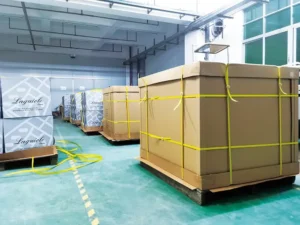
Struggling to budget for your next retail campaign? Unclear costs and complex quotes can derail your launch before it even starts. You need clarity to make smart investments.
The price of a custom POP display1 depends on design, materials, size, print quality, quantity, and shipping. Key factors include structural complexity, finishing options, and assembly requirements, all of which influence the final per-unit cost and your campaign's ROI.

Understanding what drives the cost of custom point-of-purchase displays is the first step toward a successful retail launch. Too often, brands either overspend on features they don't need or cut corners and end up with a display that fails to perform. In this guide, I'll break down every element that goes into pricing, showing you how to balance cost with impact. Let's dive in and demystify the numbers so you can invest confidently and get the best possible return.
What are the costs for design and structural engineering2?
Worried that a custom design will break the bank? The upfront cost of engineering can seem high, but a poor design costs much more in the long run through shipping inefficiencies and assembly headaches.
Design and engineering are the foundation of your display's final cost and performance. This phase involves creating the "dieline3," or template, for manufacturing and ensuring the structure is sound. A well-engineered design considers not just aesthetics but also material efficiency and ease of assembly.
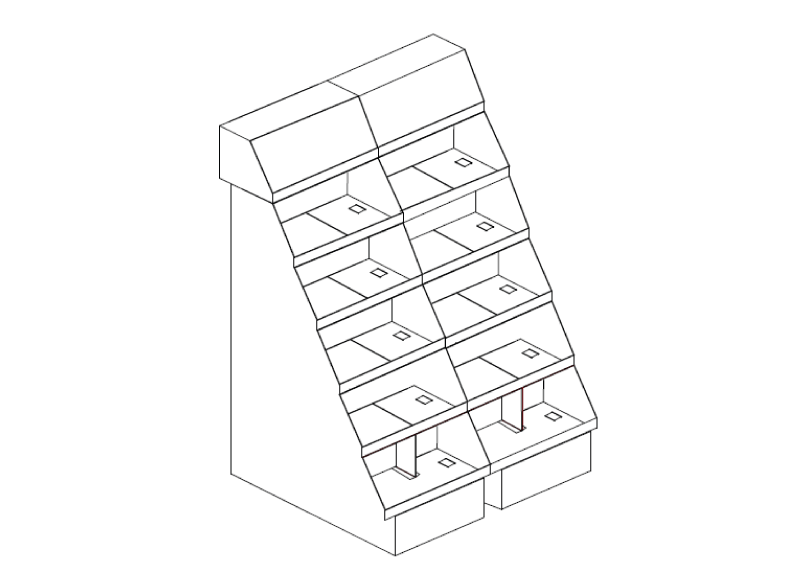
A common mistake brands make is focusing solely on the visual design without considering the structural implications. An overly complex design can lead to higher material usage and difficult in-store setup, driving up hidden costs. I've seen brands invest in beautiful concepts that were simply not practical for a real retail environment, leading to wasted budget and poor execution.
At Packwins4, we approach design with manufacturing efficiency in mind from day one. Our team uses digital design and CAD prototyping5 to create structures that are not only eye-catching but also optimized for flat-packing and easy assembly. This integrated approach minimizes waste, reduces shipping volume by up to 60%, and ensures that store staff can set up the display quickly and correctly. By getting the engineering right from the start, we help you avoid costly mistakes and ensure your display delivers maximum impact from the moment it hits the sales floor.
How do material type and grade6 affect the price?
Choosing the wrong material can be a costly mistake. It might lead to displays that collapse under your product's weight or, conversely, you might overpay for durability you don't actually need for a short-term promotion.
The type and grade of cardboard are significant cost drivers. High-strength corrugated cardboard costs more than lighter paperboard but offers better durability for heavier products. The choice depends on the display's intended lifespan and the weight of the products it will hold.

Many brands make the mistake of either choosing a material that isn't robust enough, leading to in-store failures7, or opting for an overly engineered solution that isn't necessary for a temporary display. For instance, a display for a three-week promotion doesn't require the same permanence as one intended to last a full year. Over-specifying materials is a common way campaign budgets get inflated without adding real value.
We guide our clients to the sweet spot between performance and cost. Packwins4 leverages a range of sustainable yet cost-effective corrugated materials. We analyze your product's weight, the retail environment, and your campaign's duration to recommend the perfect grade. This ensures your display is durable enough to look great in-store while eliminating unnecessary material waste and cost. This smart material selection directly impacts your retail success by ensuring the display performs flawlessly, protecting your product and brand image.
What is the impact of display size, shape, and structural complexity8?
It's easy to get carried away with a creative design, but complexity adds cost. Brands often underestimate how much unique shapes and multiple tiers can increase the price, sometimes by as much as 30% compared to a standard rectangular design.
The physical attributes of your display—its size, shape, and complexity—directly influence the amount of material used and the labor required for production. Larger, more intricate displays with unique cuts, multiple shelves, or integrated product holders naturally cost more to produce.

A frequent misstep is designing a display that is larger or more complex than necessary. While a unique shape can be eye-catching, it can also lead to higher production costs and inefficient shipping if not designed thoughtfully. I recall a client who wanted a very elaborate, curved display. While visually stunning, the initial design was expensive to produce and ship.
At Packwins4, we specialize in creating scalable, retail-ready designs that are both effective and cost-efficient. We work with you to simplify complexity without sacrificing impact. Our engineering team focuses on modular designs9 and clever structural solutions that create visual interest while minimizing material usage and keeping production costs in check. This approach ensures your display stands out for the right reasons and improves retail outcomes by being both visually appealing and easy for retailers to handle.
How do print quality, graphics, and finishing options10 factor in?
Skimping on print quality can make a great design look cheap. On the other hand, adding too many premium finishes can quickly escalate costs without a proportional increase in sales impact.
Printing and finishing can account for 10-25% of the total display cost. Options range from simple one-color printing to full-color CMYK offset printing11, with additional finishes like UV coatings, foil stamping, or lamination adding to the price. High-resolution graphics are crucial for brand appeal but add to the production expense.

A common error is a mismatch between the print quality and the brand's positioning. A luxury brand using low-quality printing can undermine its premium image, while a budget-conscious brand might overspend on finishes that its target audience won't value. I’ve seen brands choose a matte lamination, for instance, without realizing the significant cost it adds per unit, especially on a large run.
Packwins4 offers both high-quality digital and offset printing to ensure vibrant, consistent branding that aligns with your budget. For short runs or designs with complex graphics, digital printing is a cost-effective choice that avoids plate setup fees. For larger runs, offset printing provides top-tier quality at a lower per-unit cost. We help you select the right combination of printing and finishing to make your brand pop at the shelf, ensuring your display looks premium and drives sales without unnecessary expense.
What are the tooling, prototyping, and sample costs12?
Skipping the prototyping phase to save money is a huge gamble. Any design flaw or structural issue that isn't caught early will be multiplied across your entire production run, leading to much larger costs down the road.
Tooling and prototyping are critical upfront investments. This stage involves creating a physical sample to test the display's design, functionality, and durability before committing to mass production. This process helps identify any potential issues, from structural integrity to how easily it can be assembled.

The biggest mistake brands make here is viewing prototyping as an optional expense. I've worked with companies that were hesitant to invest in a prototype, only to discover later that the final displays were difficult to assemble or didn't hold their products securely. This results in costly rework or, even worse, a failed retail campaign.
At Packwins4, we consider prototyping an essential risk-mitigation step. We create and test prototypes quickly, allowing us to refine the design for optimal performance before a single production unit is made. This process saves our clients money by preventing costly errors and ensures the final display is perfectly suited for the retail environment. By validating the design early, we increase the chances of a smooth rollout and better in-store execution, ultimately leading to faster sales.
How do quantity and economies of scale13 influence the price?
Ordering a small quantity can be surprisingly expensive on a per-unit basis. The setup costs for a production run are the same whether you're making 50 displays or 500, so those initial costs are spread over fewer units in a small batch.
The number of displays you order has a major impact on the per-unit price. Thanks to economies of scale13, larger orders typically have a lower cost per unit because setup fees and manufacturing efficiencies are maximized. Ordering in bulk can lower costs by up to 20% or more.

Brands often struggle to balance order quantity with their actual needs. Ordering too few units results in a high per-unit cost, while ordering too many can lead to waste if the campaign doesn't perform as expected. One of my clients was hesitant to commit to a large run for a new product launch, but the cost for a small batch was prohibitive.
Packwins4’ efficient production capabilities are designed to be flexible. We can scale from low minimum orders for test runs to full-scale production without a massive jump in unit cost. For example, a single floor display might cost $100, but ordering 100 units could drop the price to $35 each, and 1,000 units could be as low as $21 each. This allows you to test a new display in a few stores before committing to a nationwide rollout, reducing risk and optimizing your budget. Our model provides the flexibility to grow, ensuring better ROI at every stage.
What are the shipping, packaging, and logistics costs14?
You've got a great display, but getting it to the store can be a major hidden expense. If your display isn't designed for efficient shipping, freight costs can quickly eat into your profit margins.
Shipping and logistics are often overlooked but can significantly impact the final cost. Larger, heavier, or pre-assembled displays incur higher freight charges. The way a display is packed for transit is crucial for both protection and cost management.

The most common mistake is failing to design the display for shipping from the very beginning. A display that isn't designed to be "knocked down" or flat-packed will be much more expensive to transport. I’ve seen brands finalize a design only to realize that the shipping costs were double what they had budgeted, forcing them back to the drawing board.
This is an area where Packwins4 excels. We are experts in designing for logistics. We optimize our displays to be shipped flat-packed whenever possible, which can reduce freight costs substantially. We also plan our shipping routes and packaging to be as efficient as possible, ensuring your displays arrive safely and affordably. By considering logistics from the start, we help you save money and ensure a timely and successful retail rollout, getting your products in front of customers faster.
How do retail-ready features and compliance requirements15 add to the cost?
Failing to meet a retailer's specific requirements can be disastrous. Your displays could be rejected outright, leading to a total loss on your investment and damaging your relationship with the retailer.
Meeting the specific compliance standards of retailers like Walmart, Target, or Costco is non-negotiable and can influence the cost. These requirements can dictate everything from the display's footprint and materials to how it's packaged for delivery. Additionally, new regulations like Extended Producer Responsibility (EPR)16 are adding fees based on packaging weight and recyclability.

Many brands, especially those new to big-box retail, underestimate the importance of these guidelines. They might design a display that looks great but doesn't fit the retailer's specified dimensions or safety standards. This leads to costly and time-consuming rework, or worse, the retailer refusing to use the display. The rise of EPR laws also means that packaging choices now have direct financial consequences that many businesses are not yet prepared for.
At Packwins4, we are well-versed in the compliance requirements of major retailers. We design every display to be retail-ready from the start, ensuring it meets all necessary specifications. This proactive approach avoids the back-and-forth and costly redesigns that can derail a project. By ensuring your display is compliant, we help you secure placement, strengthen retailer relationships, and get your products on the sales floor without delays.
What are the costs of assembly, handling, and in-store preparation17?
A display that is too difficult or time-consuming for store employees to assemble might never make it to the sales floor. If it takes more than a few minutes to set up, it's likely to be left in the back room.
The final cost component is the labor associated with getting your display ready in the store. Complex displays that require significant time and effort to assemble can lead to poor execution at the retail level. If store staff can't easily set up your display, it may be assembled incorrectly or not at all.
A critical mistake is to assume that store employees will have the time or training to assemble a complicated display. I once saw a campaign fail because the displays required several steps and small parts to put together. The store teams were too busy and simply didn't bother with them, resulting in a huge waste of money for the brand.
Packwins designs every display with ease of assembly as a top priority. We aim for intuitive, tool-free setup that can be completed in minutes. Our goal is to make it as simple as possible for anyone in the store to get your display up and looking great. This focus on easy in-store preparation ensures a higher execution rate, better visibility for your product, and ultimately, a greater return on your investment.
| Factor | Short-Run Display Box | Full-Scale Production | Packwins Advantage |
|---|---|---|---|
| MOQ | 50-100 units | 500+ units | Flexible MOQs for both testing and full rollouts. |
| Setup Costs | Higher per unit | Lower per unit | Optimized digital and offset processes to control setup costs at any scale. |
| Lead Time | 2-4 weeks | 4-8 weeks | Rapid prototyping and efficient production shorten lead times. |
| Print & Design | Digital printing is cost-effective | Offset printing offers lower per-unit cost | Expertise in both digital and offset to match the best process to your needs. |
| Shipping & Logistics | Higher per-unit shipping | More efficient bulk shipping | Flat-pack designs and optimized logistics reduce freight costs for any quantity. |
| Retail Compliance | Must still meet all standards | Standardized for all units | Deep knowledge of retailer requirements ensures compliance from day one. |
Conclusion
Display costs are complex, with many variables affecting the final price. Packwins' short-run options let you test and optimize, reducing risk. Ultimately, efficient, retail-ready displays are crucial for maximizing your ROI, and our process removes friction every step of the way.
Understanding the cost factors of custom POP displays helps you budget effectively and maximize your campaign's ROI. ↩
Learn how design and structural engineering impact the cost and performance of your POP display, ensuring a successful retail launch. ↩
Discover the role of a dieline in creating efficient and cost-effective POP displays, crucial for manufacturing success. ↩
Explore how Packwins' expertise in design and logistics can optimize your POP display for cost and performance. ↩
CAD prototyping allows for precise design and testing, reducing errors and ensuring efficient production. ↩
Choosing the right material type and grade can prevent costly mistakes and ensure your display's durability and effectiveness. ↩
Preventing in-store failures ensures your display performs well, protecting your brand image and investment. ↩
Learn how the physical attributes of your display can significantly impact production costs and shipping efficiency. ↩
Modular designs offer flexibility and cost efficiency, making them ideal for scalable retail solutions. ↩
High-quality printing and finishing can enhance brand appeal, but it's essential to balance cost with visual impact. ↩
Understand how CMYK offset printing can provide vibrant, consistent branding for large display runs at a lower cost. ↩
Prototyping helps identify design flaws early, saving money and ensuring your display performs well in retail environments. ↩
Learn how ordering larger quantities can reduce per-unit costs, optimizing your budget for better ROI. ↩
Efficient shipping and logistics planning can significantly reduce costs, ensuring your displays reach stores affordably. ↩
Meeting retailer compliance standards is crucial to avoid costly rework and ensure your displays are accepted and used. ↩
Understand how EPR regulations affect packaging costs and compliance, impacting your overall display budget. ↩
Easy assembly and handling ensure your displays are set up correctly and promptly, maximizing retail impact. ↩